
Laser Skin Treatments Compared by Depth
Laser resurfacing spans many devices, and an early question for any clinician is how deep a device works and why that depth fits your concern. Depth is the organizing idea here, and no device is placed above another. Nothing on this page forecasts how your own skin will respond. For background on the wider category, a plastic surgery society's overview of resurfacing with lasers is the first stop in a plan.
Each overview draws on aging research and professional society guidance, and each linked article looks at the weeks before and after a visit as well as the session itself.
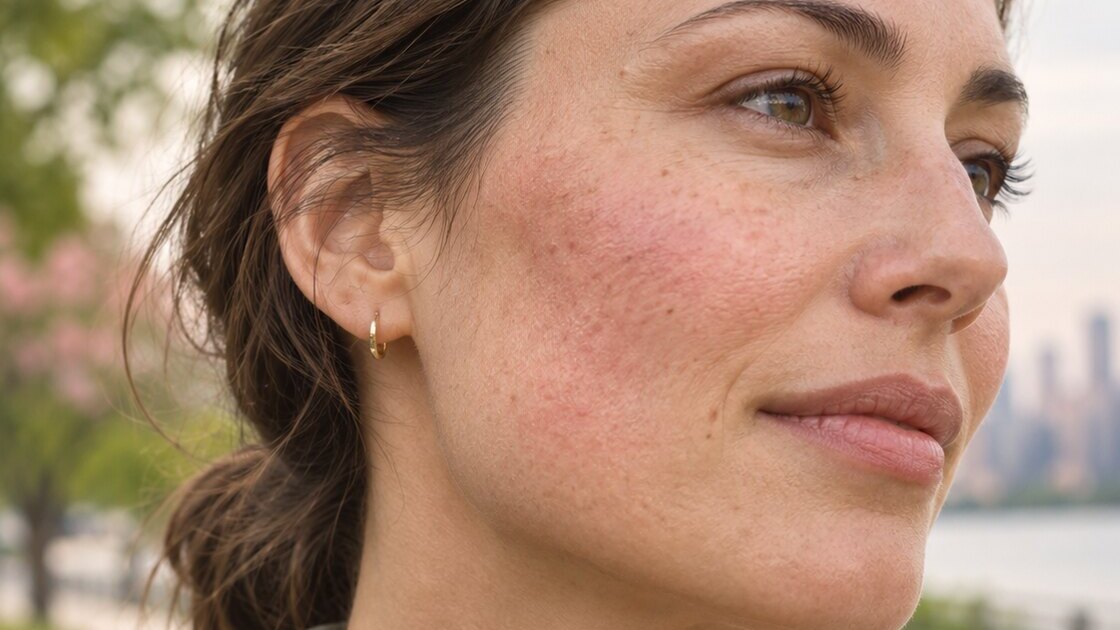
Three laser plans to compare
- IPL photofacial for sun spots: planning a series when the concern is uneven color from sun exposure.
- Fractional laser sessions and results: reading a session schedule, recovery questions and tracking progress over months.
- Laser Hair Removal Session Planning: how a run of sessions is planned and spaced.
Starting a laser plan with your concern
Begin with the concern, not the device. Note what you want to change, how long it has been there, and what you have tried. To find words for it, a dermatology association's list of laser-treatable skin conditions is useful at this early stage. Then put the same four questions to each clinician.
- What is this device meant to treat?
- How deep does it work, and why does that depth fit my concern?
- How many sessions are suggested, and what follows the last one?
- Who examines my skin first?
Answers gathered across consultations tell you more than brochures do. Ahead of the first consultation, go through a hospital system's write-up on laser types, skin conditions and what to expect.
Moving from reading to a first consultation
Choose whichever article matches your concern and finish it before planning a series. For a scar, a dermatology association's 10 things to know before having laser treatment for your scar works as a checklist to carry to that first visit.